
Roadway projects always seem to follow the same pattern. Plans get announced. Public meetings happen. Then everything slows down. Months pass, and sometimes years go by, with no construction in sight. Most people assume money is the problem. While funding does play a role, another factor often causes the real delay: the traffic study. A traffic study may not grab headlines, but it quietly controls whether a roadway project can move forward. For property owners, developers, and businesses, this process affects more than just traffic. It can shape project timelines, costs, and approvals in ways many people don’t expect.
The Hidden Bottleneck Behind Roadway Projects
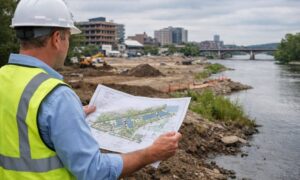
When a major road improvement gets discussed, engineers can’t jump straight into design. Agencies need proof that the changes make sense. That proof comes from a traffic study.
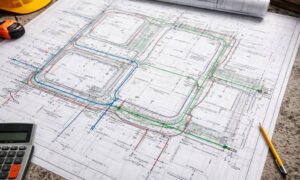
In simple terms, a traffic study looks at how roads work today and how they will work in the future. Engineers measure traffic volumes, watch how intersections perform, and study where crashes happen. They also look at how new growth will affect the area.
Because these studies guide safety and funding decisions, agencies treat them seriously. If the study doesn’t answer every concern, the project pauses until it does.
Why Traffic Studies Take Longer Than People Expect
Many delays start with timing. Traffic data must reflect current conditions. If traffic counts come from older studies, reviewers often reject them. Engineers then need to collect new data, which depends on weather, traffic patterns, and scheduling.
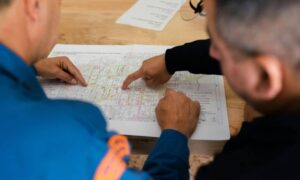
Next comes the review. Local and state agencies examine every assumption. If they question growth rates, peak-hour estimates, or intersection performance, they send the study back for revisions. Each round of review adds time.
On top of that, traffic conditions don’t stay still. New developments, road closures, or policy changes can force updates to the study. Even when funding exists, the project can’t move forward until the traffic study aligns with today’s reality.
How These Delays Affect Development
Traffic study delays don’t just slow public projects. They affect private development across Grand Rapids.
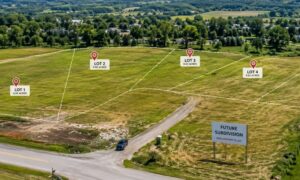
Imagine planning a new commercial site or expanding an existing property. If nearby roads already carry heavy traffic, the city may require a traffic study before approving the site plan. If that study shows issues, the project may need roadway upgrades first.
When public roadway improvements stall, private projects often stall too. Financing gets harder to manage. Construction schedules shift. Costs rise as plans change. What starts as a traffic issue becomes a business issue.
Why Traffic Studies Face More Pressure Today

Traffic studies used to focus mostly on cars. That has changed. Today, agencies look at pedestrians, bikes, transit, and safety all at once. They also expect traffic studies to support long-term planning goals.
Because of this, quick or generic studies rarely pass review. Agencies want clear data, realistic projections, and solutions that fit the community. This higher standard protects the public, but it also means studies must be done right the first time.
When a Traffic Study Helps Instead of Hurts
Not all traffic studies slow projects down. Strong traffic studies often do the opposite.
When engineers align assumptions with local plans and communicate early with reviewers, approvals move faster. Clear analysis reduces questions and limits redesigns later. In many cases, a solid traffic study prevents surprises during construction.
For developers and property owners, this approach saves time and protects budgets. Instead of reacting to review comments, the project moves forward with fewer setbacks.
What This Means for Property Owners
If you own property or plan to develop, traffic studies will likely play a role in your project. Even small access changes can trigger review. Understanding this early helps avoid frustration later.
A traffic study is not just a formality. It shapes access points, lane design, and sometimes the entire site layout. When handled well, it strengthens your application and improves your chances of approval.
The Bigger Picture
Grand Rapids continues to grow. With growth comes more traffic, more safety concerns, and more pressure on existing roads. Traffic studies help the city manage that growth responsibly.
Although delays are frustrating, they often exist to prevent bigger problems. Roads designed without solid data can fail quickly or create safety risks. Traffic studies help ensure that when improvements happen, they last.
Final Takeaway
If roadway improvements in Grand Rapids feel slow, the traffic study often sits at the center of the issue. These studies guide decisions that affect safety, funding, and development.
For prospective clients, the lesson is simple. Traffic studies don’t just delay projects—they shape them. When done correctly, they reduce risk, speed approvals, and support smarter growth.
In today’s environment, a traffic study isn’t a roadblock. It’s the key that unlocks progress.