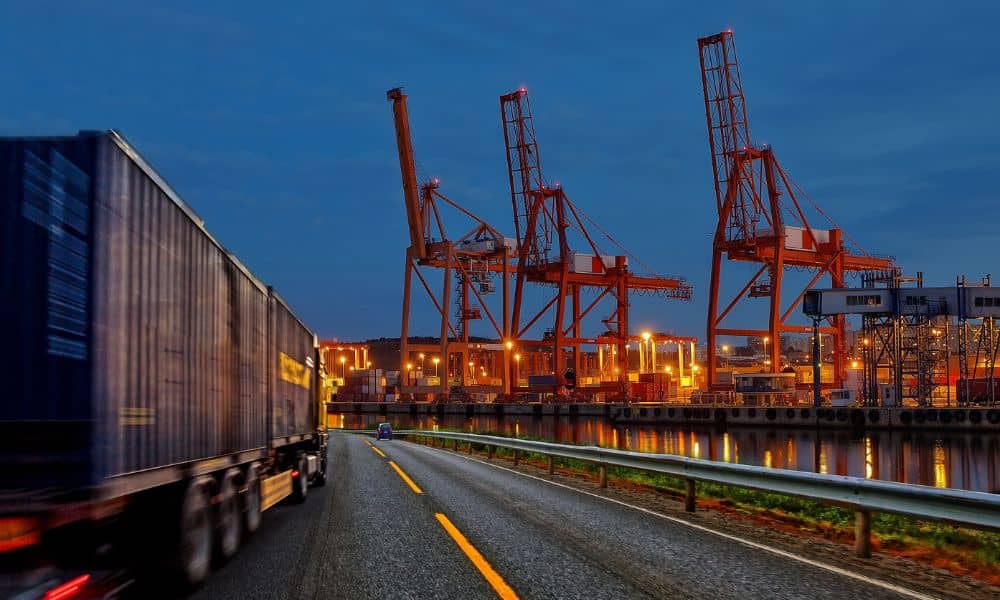
Ports keep cities moving. Every day, trucks, ships, and trains carry goods in and out. In Grand Rapids, these roads are especially important for local businesses. But port traffic is not simple. Heavy trucks, tight turns, and constant movement can create problems fast. That’s where transportation engineers come in. They design and guide port access roads so goods move quickly, and drivers stay safe.
The Demands of Port Access Roads
Port roads face pressures that normal city streets don’t. They deal with:
- Heavy trucks that need wide lanes.
- Oversized loads that take up more space.
- Traffic that rarely slows down.
Congestion is the hardest part. Trucks line up to get into ports, blocking local traffic. Smaller cars often get stuck in the mix, and accidents happen more easily. In Grand Rapids, where warehouses and highways connect, this kind of backup can ripple across the city. That’s why port access roads need special planning from the start.
How Transportation Engineers Solve Problems
Transportation engineers don’t just build roads—they solve traffic problems. They watch how trucks move, measure delays, and see where accidents might happen. With that knowledge, they design safer, smarter routes.
They work on things like:
- Making wider turns so trucks don’t block lanes.
- Planning signals so traffic keeps moving.
- Creating entry and exit points that reduce backups.
Transportation engineers often work with city leaders and shipping companies. Their goal is balance—keeping freight flowing while protecting local drivers.
Key Parts of Road Design
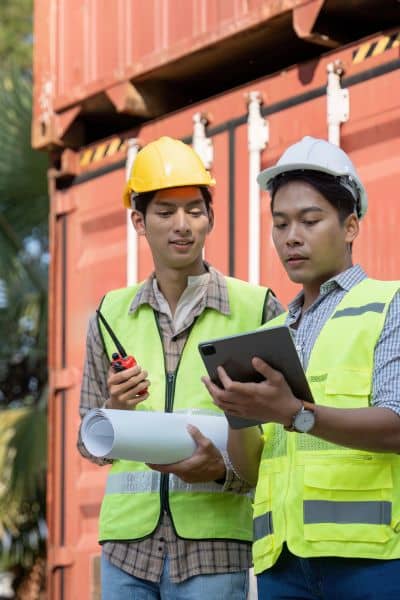
When it comes to ports, every detail matters. Here’s what engineers focus on:
Planning ahead
Engineers don’t just think about today’s traffic. They design roads that can handle growth in the years ahead.
Room for trucks
Trucks need extra space to turn. Engineers design curves and intersections that can handle their size.
Stronger pavement
Regular pavement cracks under constant heavy loads. Engineers design thicker surfaces that last longer.
Smart systems
Timed lights, cameras, and sensors help reduce traffic jams.
Connections
Access roads must tie into highways, rail lines, and industrial parks. In Grand Rapids, this often means linking to I-96.
Safety and the Environment
Busy port roads can be dangerous. Transportation engineers reduce risk by using clear signs, truck lanes, and better intersections. They also plan for pedestrians. Even in industrial areas, people cross streets to get to work. Engineers add crosswalks, lighting, and sidewalks to make it safer.
The environment also matters. Trucks create noise and emissions. Roads create runoff during storms. Engineers design drainage systems, pick durable materials, and lay out routes that keep trucks moving instead of idling. In Michigan, they also prepare for winter. Ice, snow, and salt wear roads down, so engineers plan for that from the start.
Lessons from Grand Rapids
Grand Rapids is smaller than Detroit, but it still plays a key role in Michigan’s shipping network. Recent projects show how small fixes can make big changes.
- Widening a road near a warehouse gave trucks more space and cut accidents.
- Adjusting traffic lights reduced backups during peak hours.
These improvements may sound simple, but for truck drivers and local commuters, they make a huge difference. Every minute saved means lower costs for businesses and less stress for drivers.
Why Transportation Engineers Matter
Without well-designed roads, ports can’t do their job. Congestion, delays, and crashes can shut down trade and hurt local economies. That’s a big deal for both businesses and residents.
Transportation engineers make sure that doesn’t happen. They look at the big picture. They design for today’s needs and prepare for tomorrow’s growth. Their work protects businesses from costly delays and makes daily commutes safer.
Simply put: without transportation engineers, ports would not run smoothly.
Partnering With Experts
If you’re planning a project near a port, the smart choice is to bring in transportation engineers early. Getting them involved from the start means the road is designed the right way, not patched later when problems show up. Waiting until traffic issues pile up only makes the project harder and more expensive.
Working with local engineering experts gives you an advantage. They know the area, the traffic patterns, and the unique challenges. With that knowledge, they can keep freight moving, protect neighborhoods, and support growth for years to come. They don’t just build roads—they design solutions that keep the whole city connected.
Final Thoughts
Ports power local economies, and the roads leading to them are just as important as the ships and trains they serve. Transportation engineers guide those roads, making them safe, efficient, and ready for the future.
The next time you see trucks moving smoothly down a busy port road, remember—transportation engineers made it possible.