You have the land. You have a plan in mind. Maybe your builder is already asking for dates. It feels like everything should move forward.
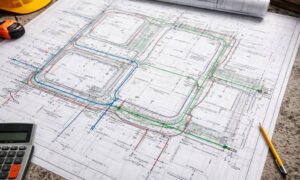
Then the city asks for a Preliminary Utility Plan.
This is where many projects slow down. Not during construction. Not during final approval. Right here, at the very start.
Most owners think this step is simple. They expect the city to review the plan, point out a few issues, and then sort things out later. That sounds reasonable, but it often leads to delays.
City reviewers look for a plan that already makes sense. They want to see how the project connects to existing systems and whether it can move forward without major changes. When key details are missing, they don’t guess. They send it back.
That’s usually the moment when people start looking for help and end up talking to a local engineering firm in Grand Rapids, just to make sure everything lines up before they send anything in.
More revisions mean more time. More time means more cost.
What the City Looks for in a Preliminary Utility Plan
The city is not asking for a perfect design at this stage. They are checking if the project is realistic.
They want to understand how the site will function before more detailed work begins. That includes how it connects to nearby systems and whether anything on the site could cause problems later.
If the plan feels incomplete or unclear, it slows everything down. Reviewers don’t guess what you meant. They respond to what is shown.
So the goal is simple. Show a plan that is clear, thought through, and ready for review.
Why Early Preparation Matters More Than Most Think
Many projects run into trouble because teams rush this step. They want to submit something quickly just to get feedback.
That approach often backfires.
A weak submission leads to more comments. More comments lead to more revisions. Each revision takes time. That time adds up fast.
On the other hand, a well-prepared plan reduces back-and-forth. It gives reviewers confidence. It helps the project move forward with fewer stops.
That’s why an experienced engineering firm focuses on preparation before anything gets submitted.
It Starts With Accurate Site Information
Everything starts with the site. If the base information is off, the rest of the plan won’t hold up.
An engineering firm needs clear and current details about the property. That includes boundaries, access points, and what already exists on the site. Most of the time, that starts with an accurate land survey of the property, so everyone is working from the same information instead of assumptions.
When this step gets rushed, issues show up later. A connection may not line up. Access may not work as expected. Reviewers will catch those problems right away.
Fixing them after submission takes more effort than getting them right at the start.
A Clear Direction for How the Site Will Connect
At this stage, the city is not looking for final drawings. They are looking for a clear idea.
How will the site connect to nearby systems? Where will those connections happen? Does the plan follow a logical path?
If the answer is unclear, the plan feels incomplete.
An engineering firm builds that direction early. That way, the submission shows intent instead of uncertainty. Reviewers can follow the plan and understand how it will work.
Checking Feasibility Before Drawing Too Much
It’s easy to jump into design. Many teams want to start drawing right away.
Still, drawing too soon can cause problems.
Before that happens, the team needs to confirm that the site can support what is being planned. That means looking at limits, spotting risks, and making sure the idea works in real conditions.
If this step gets skipped, the plan may look fine at first glance. Then issues appear during review, and everything needs to be adjusted.
That slows the project and adds cost.
Talking to the Right People Early
Projects don’t move forward on their own. Different groups have a say in how things get approved.
If no one reaches out early, those groups raise concerns later.
An engineering firm helps connect with the right people before submission. This step clears up questions early and helps avoid surprises.
It also reduces the number of comments that come back after review.
Making the Plan Easy to Understand
Even a strong plan can get delayed if it is hard to read.
Reviewers look at many submissions. If a plan is messy or unclear, it slows them down. That can lead to more questions and longer review times.
A clear submission makes a difference. When the plan is easy to follow, reviewers can move through it faster. That helps keep the project on track.
Why Rushing the First Submission Often Backfires
There is always pressure to move fast. Owners want to see progress. Teams want to stay on schedule.
Still, rushing this step creates problems.
A fast but incomplete submission leads to more revisions. Each revision takes time. What seemed like a shortcut turns into a longer process.
Taking a bit more time before submission often saves time later. It reduces the need for repeated changes and helps the project move forward in a steady way.
How the Right Engineering Firm Helps Keep Things Moving
Not every engineering firm approaches this stage the same way.
A strong team focuses on getting things ready before submission. They check details, think through the plan, and prepare a package that makes sense to reviewers.
That approach leads to fewer comments and fewer delays.
Instead of reacting to problems, they prevent them early.
What Happens After a Strong Start
When the first submission is solid, everything that follows feels smoother.
The project moves into the next stage with fewer unknowns. The team spends less time fixing issues and more time moving forward.
That is what most owners want. A process that keeps moving without constant stops.
Preparation Sets the Tone for the Entire Project
The early steps shape the rest of the project. A rushed start leads to delays. A prepared start leads to progress.
Working with an engineering firm early helps avoid common problems before they show up. It keeps the process clear, steady, and easier to manage.
That’s how projects move forward without unnecessary setbacks.