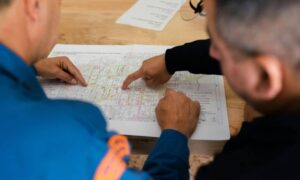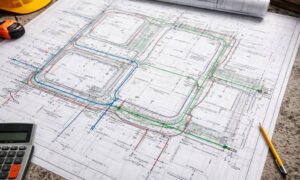
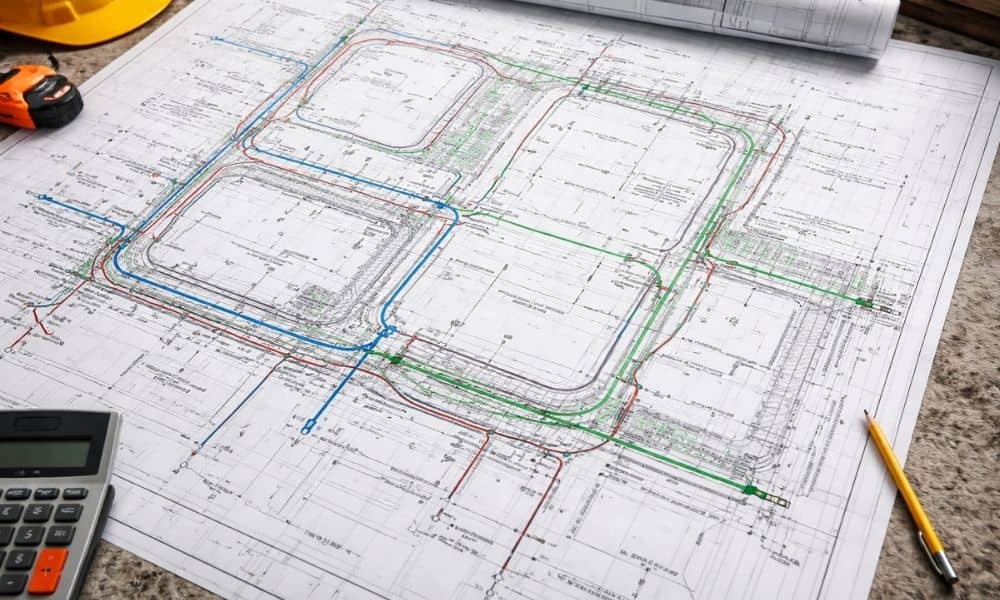
Starting a project feels exciting. You have the land, the idea, and the goal in mind. Everything seems ready to move forward. But then, something slows you down. In many cases, the delay doesn’t come from permits or design. Instead, it comes from something less obvious—utility planning. If you’re working on land development, you’ll notice that things don’t always move as smoothly as expected. Early decisions tend to affect everything that comes next.
That’s really how the land development process works.
One of the first steps in that process is the Preliminary Utility Plan, often called a PUP.
So, let’s walk through what it really means and why it matters more than most people expect.
Where Utility Planning Fits in Land Development
Before anything gets built, your project needs access to basic services like water and sewer. That sounds simple at first. However, these systems already exist underground, and they don’t adjust easily to new projects.
Because of that, cities want to review how your project will connect to these systems early on. This is where the Preliminary Utility Plan comes in.
It sits near the start of the land development process. While it may not feel like a major step, it often becomes the first real test of whether your project can move forward smoothly.
If your utility plan makes sense, the process continues with fewer issues. However, if it raises questions, everything slows down.
Why Utility Planning Becomes a Common Roadblock
At first, many property owners assume utilities are easy to handle. They expect to connect to the nearest line and move on.
However, in real projects, things rarely work that way.
For example, the closest connection point may not be approved. In other cases, the system may not have enough capacity to support your project. Sometimes, planned buildings or driveways conflict with existing underground lines.
Because of these challenges, early assumptions often lead to revisions. As a result, teams must go back, adjust plans, and resubmit.
This back-and-forth can take weeks. In some cases, it can take even longer.
So, while utility planning may seem like a small detail, it often becomes one of the biggest early hurdles in land development.
What a Preliminary Utility Plan Must Clearly Show
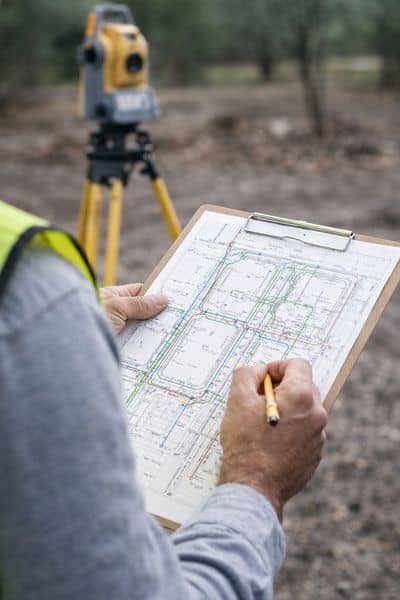
A strong plan does more than meet basic requirements. It helps everyone understand how the project will actually work once things move forward.
It starts with a clear picture of what’s already on the site. This includes water lines, sewer systems, and other underground features. The challenge is that records don’t always match what’s really in the ground. Because of that, it helps to have accurate site measurements early, so you’re not dealing with surprises later.
From there, the plan should show how the project connects to those systems. These connection points need to be realistic and easy for the city to review. If they’re not clear, the plan often comes back with questions, which slows everything down.
Next, the layout should show how utilities will run across the site. This takes careful coordination. Lines need to fit within the design while avoiding conflicts with buildings, roads, and other features. If this isn’t handled early, changes become harder to fix later.
At the same time, the plan should consider how much demand the project adds. Every development puts pressure on existing systems. If the system can’t handle it, adjustments will be needed before moving forward.
Finally, the plan should be easy to read. Clear drawings and simple notes help reviewers understand everything quickly. When a plan is confusing, delays usually follow.
What Often Goes Wrong During This Step
Even strong projects can struggle at this stage. However, most issues come from a few common gaps.
For instance, teams sometimes use outdated utility data. Others assume connection points without confirming them. In some cases, layouts look good on paper but don’t work once utility routes are added.
Another common issue is poor coordination. When different team members work separately, details get missed. As a result, the final plan lacks clarity.
Because of these mistakes, reviewers ask questions. Plans go back for revisions. Timelines stretch.
The frustrating part is that most of these problems are preventable.
How a Strong Utility Plan Keeps Projects Moving
When a Preliminary Utility Plan is done right, everything feels easier.
First, reviews move faster because fewer questions come up. Next, your team works with better information, which reduces the need for changes later.
At the same time, construction planning becomes more predictable. Crews know where utilities will go, so they can avoid conflicts during the build.
Most importantly, your project stays on track.
In land development, staying on schedule can make a huge difference. It affects cost, coordination, and overall success.
Why Early Planning Matters More Than Late Fixes
Some projects try to solve utility issues after they appear. While that may seem practical, it often leads to bigger delays.
On the other hand, early planning allows you to spot problems before they grow. You can adjust layouts, confirm connections, and align everything with real conditions.
Because of this, early effort saves time later.
It also reduces stress. Instead of reacting to issues, you stay in control of the process.
Final Thoughts on Land Development
In the early stages of land development, it’s easy to focus on visible parts of the project. However, what happens underground often matters just as much.
A Preliminary Utility Plan may seem like a small step, but it plays a major role in how smoothly your project moves forward.
When done right, it helps avoid delays, reduces revisions, and keeps everything aligned from the start.
So, if you’re planning a project, take this step seriously. A clear, well-prepared utility plan can make the difference between a smooth process and a frustrating one.