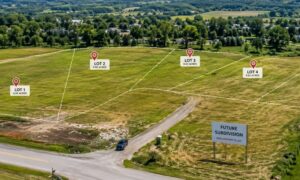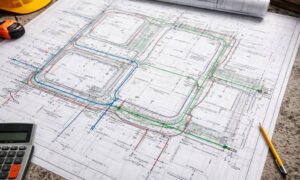
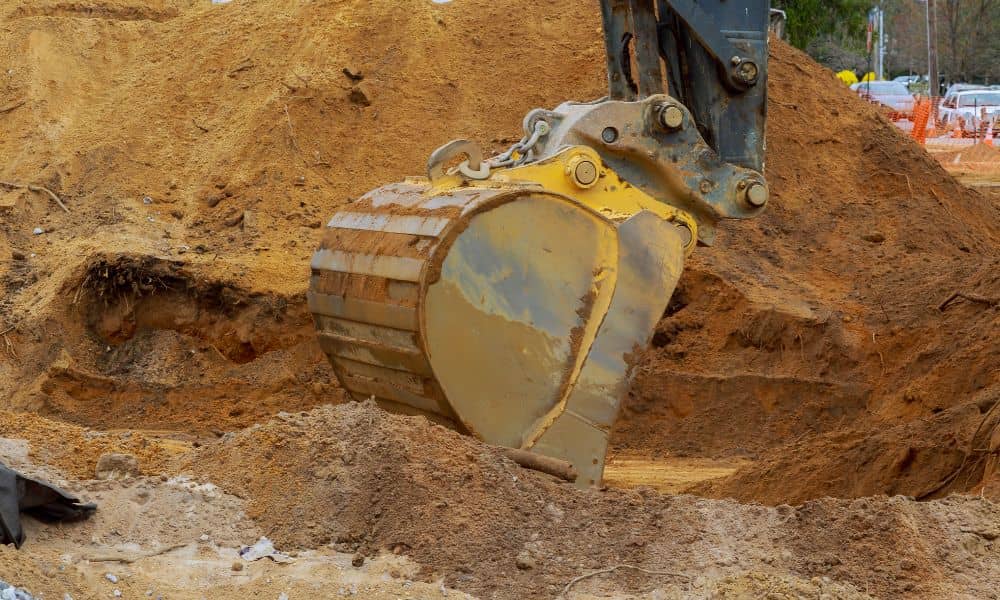
You find a piece of land that looks perfect. It’s flat, dry, and easy to picture your project on. So you move forward with your plans. Everything feels on track—until something unexpected slows things down. The issue? The site fails infiltration testing. This situation happens more often than most people expect. In Grand Rapids, stormwater design depends on what lies beneath the surface, not just what you see above it. Because of that, even a clean and buildable-looking site can run into problems once testing begins. That’s usually the moment people start to see how stormwater design works and why it matters so much early on.
Why Stormwater Design Starts Before Final Plans
Many people assume design comes first and testing follows. However, that order often leads to delays. In real projects, engineers need to understand the ground before they can design anything that works.
Stormwater systems rely on how water moves through soil. They also depend on how deep groundwater sits below the surface. Without that information, a design may look correct on paper but fail in the field.
That’s why experienced teams shift the process. Instead of designing first, they gather site data early, making sure they’re getting accurate site data so the design actually reflects what’s happening on the ground and avoids major changes later.
When Infiltration Testing Becomes Part of the Process
Not every project needs infiltration testing, but many do. In Grand Rapids, testing often comes into play when a project changes how water flows across a site.
For example, new developments, commercial builds, and subdivisions all affect how rainwater moves and collects. Because of that, local reviews expect proof that the site can handle stormwater safely.
In these cases, infiltration testing becomes part of the process. It helps confirm whether water can soak into the ground or if another approach is needed.
What Infiltration Testing Reveals About a Site
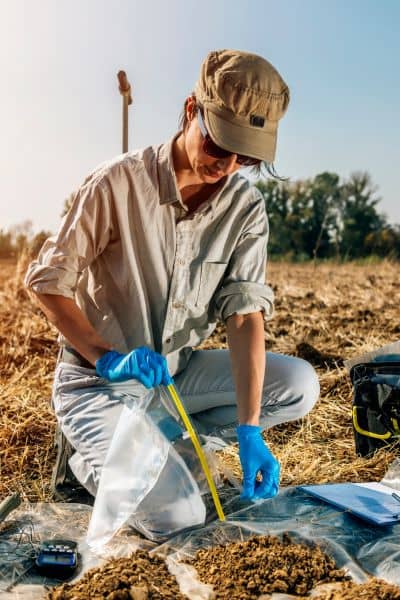
At first, a site may look consistent. However, once testing begins, differences start to appear.
Infiltration testing shows how quickly water moves through the soil. Some areas absorb water fast, while others hold it longer. It also reveals how conditions change across the property. One section may perform well, while another struggles to drain.
These findings matter because stormwater design depends on them. A system that works in one part of a site may not work in another. Without testing, those differences remain hidden until problems show up later.
The Groundwater Factor Most People Overlook
Even when soil drains well, another factor can change everything—groundwater.
Groundwater can sit closer to the surface than expected. When that happens, it limits how much water the soil can handle. There simply isn’t enough space for water to move downward.
Because of this, a design that relies on infiltration may no longer work. Instead, the system may need to shift to a different approach that controls or redirects water.
This is often the moment when a simple plan turns into a more complex one.
Why Some Sites Cannot Support Infiltration
Not all land can support infiltration-based solutions. In fact, some sites fail as soon as testing begins.
This can happen when soil does not absorb water well or when groundwater stays too high. In other cases, the site may not have enough space to safely manage drainage.
When these conditions exist, engineers must adjust the stormwater design. Instead of relying on the ground to absorb water, they need to guide water away or manage it in another way.
While this may sound like a setback, it is actually part of creating a design that works in real conditions.
What Happens When Testing Changes the Plan
When a site fails infiltration testing, the project does not stop—but it does change direction.
Designs may need to be updated. New calculations may be required. In some cases, additional coordination becomes necessary to meet local expectations.
These changes can affect both timeline and cost. That’s why many property owners feel caught off guard when testing happens late in the process.
However, when testing happens early, these adjustments become much easier to manage.
How Early Testing Keeps Projects on Track
Timing plays a major role in how smoothly a project moves forward. When testing happens early, it provides clear answers before design decisions are locked in.
With that information, teams can plan around real conditions. They can choose the right system from the start and avoid major revisions later.
As a result, projects move through approvals faster and with fewer surprises. Instead of reacting to problems, the design already accounts for them.
Why Stormwater Design in Grand Rapids Requires Local Insight
Grand Rapids has a mix of soil types and changing groundwater conditions. Because of that, no two sites behave exactly the same.
Some areas drain quickly, while others hold water longer. Groundwater levels can also shift across short distances. These variations make local knowledge important.
An engineer who understands the area can recognize patterns and anticipate challenges. This helps shape a stormwater design that fits the site and meets local expectations.
What to Know Before You Move Forward
A site may look ready for construction, but what lies below the surface often tells a different story. In Grand Rapids, infiltration testing and groundwater checks play a key role in shaping every project.
So before finalizing plans, take the time to understand the site. Testing early gives you the information needed to move forward with confidence.
With the right approach, stormwater design becomes a tool that supports your project—not something that slows it down.