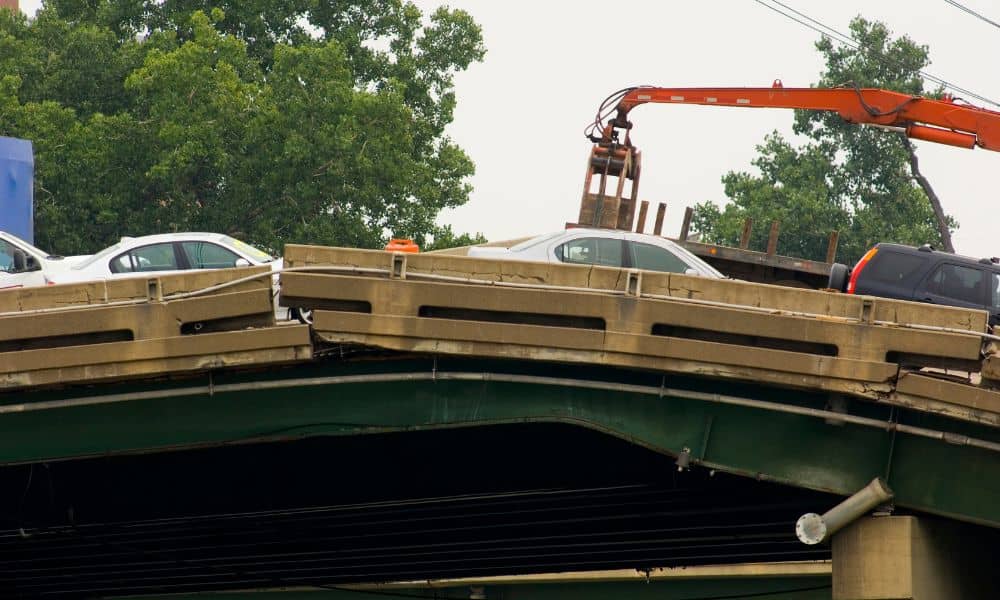
When a major structure fails, every second matters. We saw this clearly with the recent Francis Scott Key Bridge collapse in Baltimore. Federal investigators found that a single loose wire on the cargo ship caused a power blackout, which led to the deadly crash. Six workers died, traffic froze for days, and the rebuild will take years to complete. Events like this show how fragile a city can be and why traffic engineers are essential in keeping people safe and keeping cities moving when disaster hits.
Most people think of traffic engineers only when a detour slows them down. But their work goes far beyond cones and signs. They study how a city behaves under pressure. They run tests to see how cars, trucks, buses, and emergency vehicles move if a bridge closes without warning. And they design safety plans long before anything goes wrong. Because of that, traffic engineers often become the unseen heroes when chaos begins.
Why do disasters create massive traffic shutdowns so quickly?
Disasters hit fast. In the Key Bridge collapse, officials said a warning sent just 90 seconds earlier might have saved the workers on the bridge. That tiny window shows how fast everything can break down.
When a major road or bridge fails, drivers suddenly lose access to routes they use every day. This leads to long backups, stalled deliveries, and emergency vehicles struggling to get through. A city can lose millions in economic activity within hours. That is why disaster response always includes traffic engineers. They work with emergency teams to manage traffic, guide drivers safely, and prevent total shutdowns.
How do traffic engineers predict failure before it happens?

How do traffic engineers predict failure before it happens?
Traffic engineers prepare long before a disaster occurs. Their goal is simple: understand how people move and keep the system running even under stress.
They start with traffic surge modeling. If a key bridge closes, they test where drivers will go next. Will traffic spill into a small neighborhood? Will a two-lane road overload? These models help them plan stronger backup routes.
Next, they look at network redundancy. Some cities have many alternate routes. Others depend on a single major crossing. Traffic engineers identify weak spots and recommend improvements so drivers have safer options during an emergency.
They also design detours with great care. Detours are not random. Engineers study lane width, turns, sight distance, school routes, and truck access before choosing the safest path.
Finally, they help run vulnerability reviews on important structures. After the Baltimore collapse, investigators found that only about half of the 68 similar bridges in the U.S. had updated risk assessments. Traffic engineers help close those gaps by testing how a failure would affect the entire road network.
Could a disaster like this cause major problems in Grand Rapids?
Yes. Grand Rapids has strong systems, but it also has risks.
Michigan’s infrastructure is aging, and many bridges were built decades ago. Heavy trucks and constant traffic add daily stress. Grand Rapids also depends on a limited number of river crossings—like I-196, US-131, Leonard Street, and 6th Street. If one of these bridges closed suddenly, the effects would be immediate.
Downtown traffic would slow down fast. Commute times would spike. Emergency vehicles would need new routes. Businesses would face delivery delays. Families would spend more time getting to school and work. This is why ongoing planning is so important.
Local agencies and engineering firms constantly check traffic flow, update models, and watch for trouble before it becomes dangerous. While no one can predict every disaster, good planning reduces risk and keeps the city stronger.
What do traffic engineers do during a major shutdown?
During a disaster, traffic engineers must act quickly. Their first step is to update their models based on the blocked road and the expected downtime. They then choose the safest and fastest detour routes, working closely with police, fire, and emergency teams.
Signal timing becomes a major tool. Adjusting the length of a green light can make a huge difference when thousands of drivers are pushed onto a single road. Engineers rewrite timing plans so intersections can handle more vehicles without breaking down.
They also set up clear signs and organized lanes. Residents often see the cones and barriers, but they don’t see the hours of planning behind them. Engineers work to restore order, protect people, and keep traffic flowing under pressure.
How does strong traffic planning help residents, businesses, and developers?
Good traffic engineering helps the entire community.
For residents, it means safer roads, smoother travel, and faster emergency response. When disruptions happen, people experience less stress because the network can handle sudden changes.
For businesses, reliable transportation means faster deliveries and better customer access. Even small delays can affect costs, so strong traffic planning saves money and time.
For developers, good traffic engineering leads to faster permitting. Cities want to know how a new project will affect the area. A solid traffic study builds trust and prevents expensive redesigns. When engineers use modern data and realistic traffic numbers, projects move smoothly through review.
What questions should cities ask their traffic engineers today?
As disasters increase nationwide, cities need to think ahead. Important questions include:
- Do we have updated vulnerability reviews for major roads and bridges?
- Are we relying too much on one major route?
- Do we have detour plans that work for both cars and large trucks?
- Are our traffic models updated with current numbers?
- Are emergency routes tested and ready?
These questions help cities understand risks early and make better decisions.
Final Thoughts
Traffic engineers rarely get credit, but their work helps cities survive their worst days. The Key Bridge collapse showed how fast a system can fail and how much planning matters. With strong modeling and fast action, cities like Grand Rapids can protect their residents, keep traffic moving, and stay resilient even when unexpected events strike.
If you want help updating traffic plans or improving your community’s safety, a skilled traffic engineering team can make a huge difference.
FAQs
1. Why are traffic engineers different from other engineers?
- Traffic engineers focus on how people move through a city. Civil and structural engineers design the roads and bridges. Traffic engineers make sure those systems work safely, especially in emergencies.
2. Why do detours feel slow?
- Smaller roads are not built to carry the same volume as a major bridge or highway. Even the best detour will feel slower, but it keeps people safe.
3. Can traffic engineers prevent all shutdowns?
- Not always. But they can reduce delays, prevent dangerous backups, and help emergency crews reach people faster.
4. How often should traffic plans be updated?
- Most cities update plans every few years, but a major incident—like a bridge failure—should trigger an immediate review.