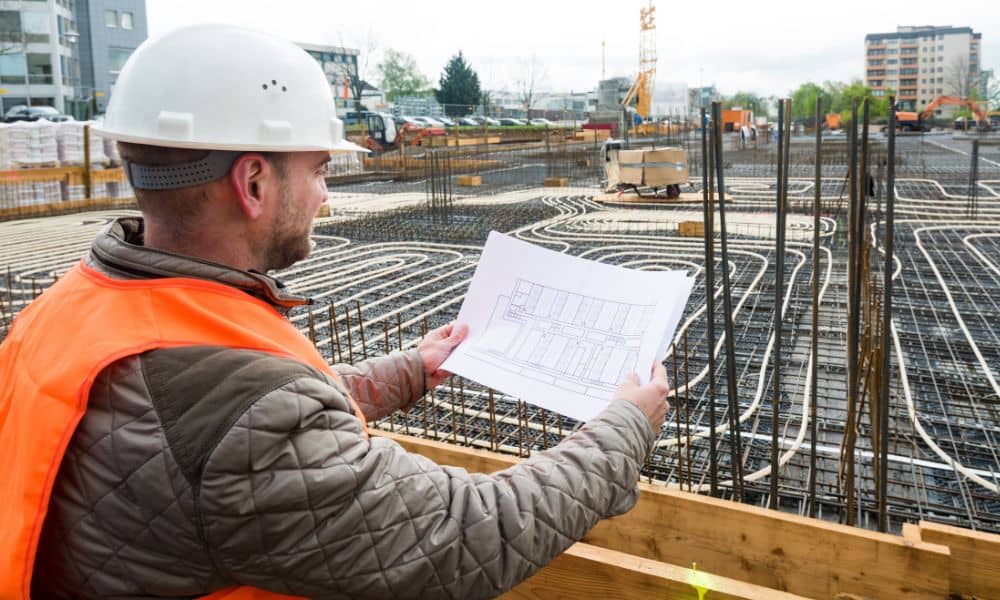
Infrastructure is the backbone of every city. Roads, bridges, water systems, and public spaces make daily life possible. In Grand Rapids, these projects are more important than ever as the city continues to grow. At the heart of every successful project stand skilled project managers. Their job is to make sure work gets done on time, within budget, and with safety in mind. Without them, even the most carefully designed project can run into problems.
Growth and Infrastructure in Grand Rapids
Grand Rapids has a reputation as one of Michigan’s most vibrant and fast-growing cities. New neighborhoods are popping up, businesses are moving in, and families are settling down. With this growth comes pressure on existing infrastructure. Roads become more crowded, utilities need upgrading, and public facilities must keep up with demand.
These challenges don’t solve themselves. They require big, complex projects. That’s where a project manager becomes vital. Unlike small repairs, large infrastructure projects involve millions of dollars and dozens of teams. A project manager keeps all of it organized, making sure no detail slips through the cracks.
What Project Managers Do Every Day
Planning and Scheduling with Purpose
Every successful project starts with a solid plan. This could mean designing a new road to ease traffic on busy routes or upgrading sewer lines to handle more homes. A project manager maps out each step, sets deadlines, and makes sure the team sticks to the schedule. Good planning means fewer delays and smoother progress.
Budget Control That Protects Taxpayer Money
Public projects often rely on taxpayer funds. A project manager respects that responsibility by carefully tracking expenses. They also work closely with civil engineers who depend on accurate land and civil engineering surveys to keep budgets realistic from the very beginning. If material costs rise or unexpected repairs appear, they adjust the plan without overspending. For example, if a bridge repair costs more than expected, the project manager finds ways to cut waste without cutting safety.
Staying Ahead of Risks
Weather in Michigan can be unpredictable. Heavy snow, spring flooding, or even sudden cold snaps can affect timelines. On top of that, supply chain issues or labor shortages may cause delays. A project manager looks ahead, spots these risks early, and creates backup plans. That way, work continues even when challenges appear.
Clear Communication with Everyone Involved
A large project includes engineers, contractors, city leaders, and the public. Without clear communication, things can get messy fast. A project manager serves as the central voice. They update city officials on progress, explain timelines to residents, and keep contractors aligned. In a city like Grand Rapids, where construction often happens near busy roads or neighborhoods, this communication keeps frustration low.
Why Project Managers Are So Important
Safety and Compliance Come First
Every bridge, road, or sewer upgrade must meet safety standards and state regulations. A project manager makes sure the rules are followed and that the project is safe to use. They check details at each stage so that residents can trust the final result.
Saving Time and Money for the City
Delays in big projects cost money—sometimes millions. They also inconvenience the public. A strong project manager keeps the work on schedule and prevents costly mistakes. This saves both money and time, which is a win for the city and its residents.
Supporting Daily Life
Infrastructure isn’t just concrete and steel. It affects how people get to work, how kids reach school, and how families access healthcare. By keeping projects on track, a project manager helps the city function better. When roads open on time or water systems get upgraded without long delays, the whole community benefits.
The Skills That Make a Project Manager Effective
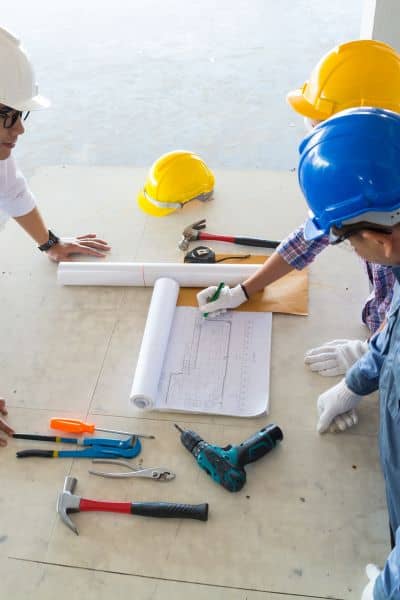
Not everyone can step into this role. A strong infrastructure project manager blends leadership with technical know-how and uses both to guide complex projects. In Grand Rapids, these skills stand out:
Use of technology: Tools like project management software, Building Information Modeling (BIM), and GIS mapping help track progress and reduce errors.
Leadership: Guiding teams and keeping morale high, even when deadlines are tight.
Problem-solving: Making quick decisions when unexpected problems come up.
Technical knowledge: Understanding how infrastructure works, from road design to sewer systems.
Communication: Explaining complex issues in simple terms so everyone stays informed.
The Future of Infrastructure
Looking ahead, Grand Rapids is expected to invest even more in sustainable and green infrastructure. Projects may include energy-efficient buildings, eco-friendly stormwater systems, and public spaces designed for long-term use. These projects are often more complex, which makes the role of a project manager even more critical.
Technology will also keep changing how projects are managed. Drones can survey land faster, AI can predict delays, and digital platforms can track budgets in real time. Still, technology can’t replace the human element. A project manager connects people, data, and tools to keep everything working together.
Real-Life Impact on Grand Rapids
Imagine a new bridge project in downtown Grand Rapids. Without a skilled project manager, crews may miss deadlines, materials may run short, or communication may break down. Traffic could be disrupted for months longer than planned. But with a strong leader at the helm, the bridge opens on time, within budget, and with safety guaranteed.
This real-world impact is what makes project managers so valuable. They don’t just build structures—they improve how people live in the city every day.
Conclusion
Infrastructure is more than concrete and steel—it’s the foundation of growth and quality of life. And at the heart of every successful project is the project manager. They plan, lead, solve problems, and communicate so that projects finish on time, within budget, and built to last.
As Grand Rapids continues to expand, the need for skilled project managers will only grow. From small upgrades to massive citywide improvements, they remain the key players who keep the city moving forward.
If you’re part of a project, never overlook this role. A great project manager is not just helpful—they are the difference between success and failure.