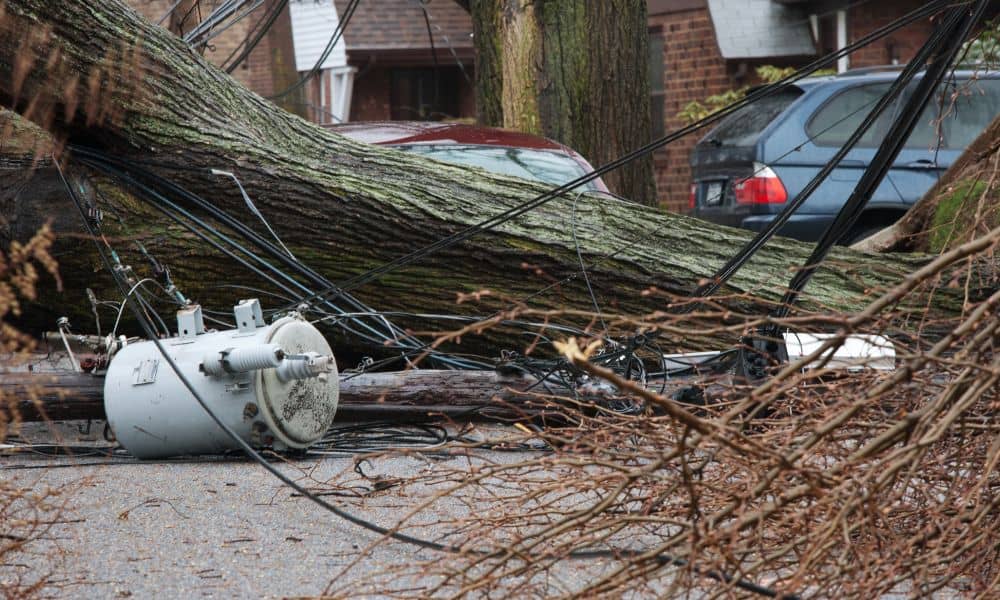
Recent storms across Michigan left thousands of people without power. Homes went dark, businesses paused, and some areas dealt with flooding at the same time. At first, it looked like a weather issue. However, these events pointed to something deeper. They exposed weak spots in how sites, utilities, and systems are designed. Because of this, engineering services are shifting. Today, the focus is not only on building projects. Instead, it is on making sure those projects can handle stress when things go wrong, which starts with planning for site and infrastructure risks from the very beginning.
What Really Caused the Power Outages
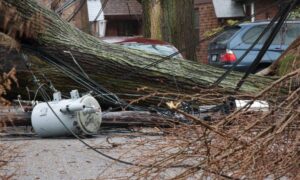
Strong winds knocked down power lines. At the same time, heavy rain soaked the ground, which made utility poles less stable. In some places, water collected too quickly and added pressure on nearby systems.
Still, these outages did not come from one simple cause. They came from a mix of aging infrastructure, stronger storms, and site conditions that were not designed for extreme weather.
Because of that, even small weaknesses turned into major failures.
So, this is no longer just about weather patterns. It is about how well a site is engineered to handle real-world conditions.
Why This Hits Property Owners and Developers Hard
If you own or plan to develop property, these events are more than just headlines. They are warnings.
Power loss can shut down operations fast. For a business, that means lost revenue. On top of that, poor drainage can damage buildings, parking areas, and equipment.
Because of this, many developers now think differently. Instead of asking how fast they can build, they ask how safe and reliable the project will be over time. In many cases, that means slowing down early on and focusing on understanding site conditions before development, rather than trying to fix problems later.
That shift is important. It shows that risk is no longer something to deal with later. It must be planned for from the start.
How Engineering Services Are Adapting to These Challenges
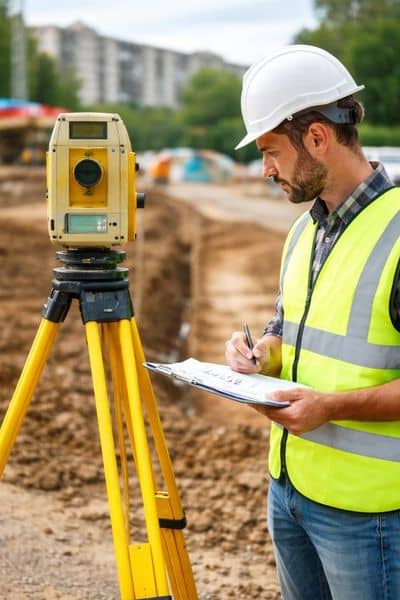
After recent outages, engineers have started to rethink how projects are designed. They no longer focus only on meeting basic requirements. Instead, they look at how a site will perform under pressure.
This means taking a closer look at utilities, drainage, and long-term site conditions. It also means planning for worst-case scenarios, not just normal use.
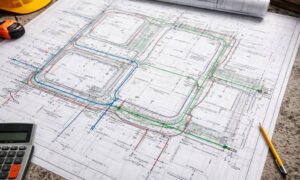
For example, utility planning now includes backup options and better coordination with service providers. Engineers study where systems are placed and how they respond during stress. As a result, they can reduce the chance of sudden failure.
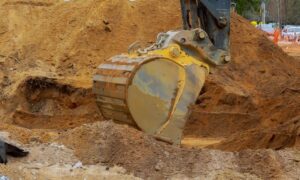
At the same time, drainage design has become more detailed. Water must move away from the site quickly, especially during heavy rain. Engineers now shape the land and adjust layouts to prevent pooling and soil instability.
In addition, early-stage planning has become more important. Engineers check soil conditions, slopes, and existing utilities before construction begins. This helps catch problems early, when they are easier and less costly to fix.
Because of these changes, engineering services now play a bigger role in protecting both the project and the investment behind it.
What This Means for Projects in Grand Rapids
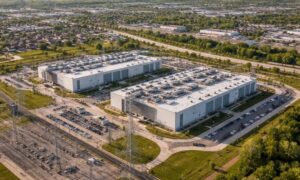
Grand Rapids continues to grow, with new housing, commercial spaces, and mixed-use developments rising across the area. However, this growth also puts more pressure on local infrastructure.
After recent failures, cities and reviewers are paying closer attention to project plans. They want to see that developments can handle real-world conditions, not just ideal ones.
Because of this, strong planning can make a big difference. Projects that include solid engineering from the start often move through approvals more smoothly. They also face fewer delays during construction.
On the other hand, projects that overlook these details may run into setbacks. These can include redesigns, permit issues, or unexpected costs.
So, the gap between a smooth project and a difficult one often comes down to how early engineering services are involved.
The Cost of Waiting Too Long
Even with clear risks, some property owners still delay bringing in engineers. They may focus on design or budgeting first, thinking engineering can come later.
However, that approach often leads to problems.
When issues appear during construction, they are harder to fix. Changes may require new approvals, added labor, or even redesigning parts of the project.
In contrast, early planning helps avoid these setbacks. It gives a clear picture of what the site needs before major decisions are made.
Because of this, waiting too long can turn a manageable issue into a costly one.
Why Engineering Services Now Focus on Prevention
In the past, many projects were designed to meet minimum standards. Today, that is no longer enough.
Storms are becoming less predictable. At the same time, infrastructure continues to age. Because of this, systems face more pressure than before.
As a result, engineering services now focus on prevention. Engineers aim to reduce risk before it becomes a problem. They design sites that can handle both normal use and unexpected events.
This shift is not just about safety. It is also about long-term value. A well-planned site requires fewer repairs, experiences fewer disruptions, and performs better over time.
A New Way to Think About Development
Recent power outages have changed how people view development in Grand Rapids. Projects are no longer judged only by how they look or how fast they are built.
Instead, they are judged by how well they perform when conditions are not ideal.
This new mindset places engineering at the center of every successful project. It highlights the need for careful planning, strong design, and a clear understanding of site conditions.
Because of this, engineering is no longer just a step in the process. It is the foundation of the entire project.
Final Thoughts
The recent outages across Michigan are more than temporary disruptions. They are reminders of what can happen when systems face stress.
They also show why planning matters more than ever.
Today, engineering services help projects move forward with confidence. They reduce risk, improve performance, and protect long-term value.
If you are planning a project, this is the time to think ahead. With the right approach, you can avoid delays, prevent costly issues, and build something that lasts.