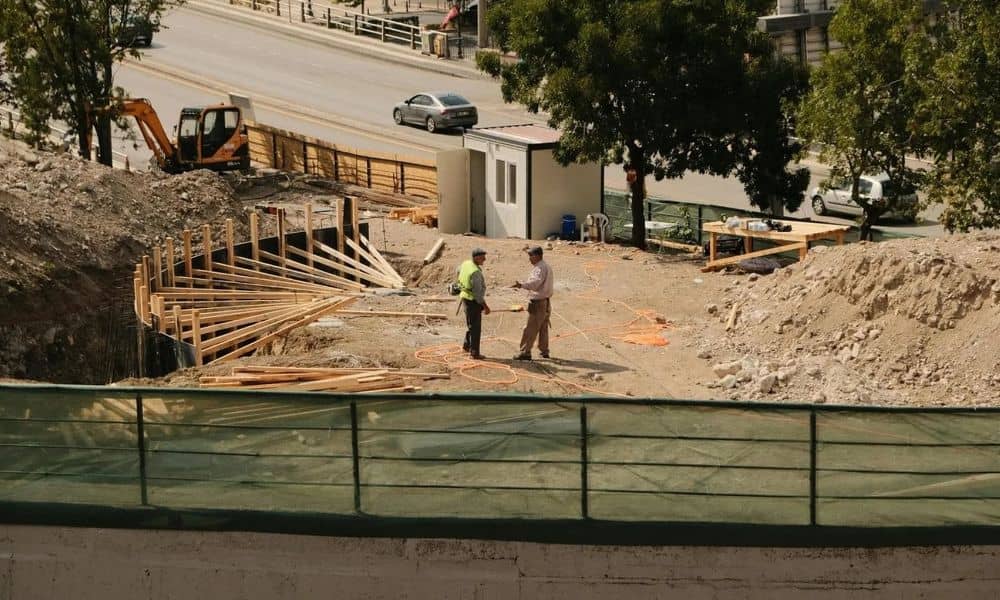
An erosion control plan may seem like just another permit step. However, it plays a big role in keeping your project safe, clean, and on track. When done right, it helps protect the land, avoid delays, and save money. When done wrong, it can cause failed inspections, work stoppages, and costly fixes.
Many builders and property owners struggle because erosion control planning often gets rushed. Instead of careful design, it becomes paperwork. However, a strong erosion control plan is part of smart construction planning.
Why Erosion Control Plans Often Fail Inspections
Most erosion control plans fail because they look good on paper but do not work in the field. Many plans use general templates instead of site-based design. As a result, they miss important details such as slope, soil type, and water flow.
Inspectors focus on how well your plan keeps soil on your site. They look for controls that stop dirt from washing into streets, drains, and nearby land. If the controls fail, inspections usually fail too.
Even small mistakes can cause big problems. For example, missing drain protection or poor slope coverage can quickly lead to runoff issues. Once soil leaves the site, delays and fines often follow.
What City Inspectors Really Look For

Inspectors check whether your erosion control plan will work, not just whether it exists. While rules differ by city, most inspections focus on a few key areas.
First, they look at how water moves across your site. If runoff flows toward roads or drains, they expect strong protection in those spots.
Next, they check soil exposure. Large open soil areas raise erosion risk. Because of this, inspectors want to see staged work and quick soil coverage.
They also study slope protection. Steep slopes need extra support. Without proper design, soil quickly washes away.
Finally, they look for a clear maintenance plan. Even good systems fail if no one checks and fixes them. Regular care is part of every strong erosion control plan.
Common Mistakes That Lead to Failed Inspections
Many projects repeat the same errors. Knowing these mistakes helps prevent delays.
One big mistake is placing controls too late. If protection goes in after grading begins, damage may already be done.
Another issue is missing boundary protection. If soil escapes the site, inspectors respond fast.
Poor slope design also causes many failures. Simple fencing rarely holds on steep land.
Many plans also skip maintenance steps. Over time, controls clog or fall apart. Without care, they stop working.
Finally, generic designs cause major trouble. Every site is different. Because of this, copy-paste plans often fail.
How to Build an Erosion Control Plan That Works in Real Life
A strong erosion control plan begins by studying the land. When design follows natural site features, controls work better and last longer.
Step 1: Study Water Flow: Watch how rainwater moves across your site. Find low spots and natural paths. Since water follows the easiest route, place controls along those paths.
Step 2: Match Controls to Soil Type: Soil behaves differently based on its makeup. Sandy soil washes away fast. Clay holds water but turns muddy. Because of this, control methods must match the soil. In many cases, soil testing helps guide smart design.
Step 3: Plan Construction in Stages: Avoid opening large areas at once. Instead, work in steps. By finishing and stabilizing one section before moving to the next, you lower erosion risk.
Step 4: Connect Erosion Control With Site Design: Good grading and drainage work together with erosion controls. When slopes guide water into safe paths, runoff becomes easier to manage.
Step 5: Include Simple Maintenance Plans: Every erosion control plan needs clear care steps. Controls wear out and move. Regular checks keep them working and prevent inspection problems.
Temporary vs Permanent Erosion Controls
Temporary controls protect the site during construction. These include silt fencing, inlet covers, and gravel entrances. They help manage runoff while work continues.
Permanent controls protect the land long after construction ends. These include grass, drainage pipes, stone protection, and other long-term features.
Strong erosion control plans use both types. Temporary controls manage short-term risks, while permanent controls provide lasting safety.
How Local Conditions Affect Erosion Control Planning
Local weather and soil shape erosion risks. Heavy rain increases runoff. Cold weather causes freeze and thaw cycles that loosen soil. Because of this, plans must match local conditions.
Seasonal changes also matter. Spring snowmelt and summer storms both bring high water flow. Timing construction around these patterns helps reduce damage.
Understanding local factors helps engineers design systems that hold up year-round.
When You Should Hire a Professional Engineer
Some sites need expert help. Steep slopes, large areas, sensitive land, and tight deadlines often require professional design.
A licensed engineer studies soil, slope, and runoff to create a plan that truly works. While this adds upfront cost, it often saves money by preventing delays and repairs.
In many cases, one avoids inspection failure and pays for proper design.
A Simple Real-World Example
One job site failed inspections twice because soil kept washing into storm drains. Work stopped, and costs grew.
After redesigning the erosion control plan, engineers moved controls to better locations, improved slope protection, and added a maintenance plan.
The next inspection passed. More importantly, runoff problems stopped, and work moved forward smoothly.
Final Thoughts
A strong erosion control plan does more than meet code. It protects your land, schedule, and budget. When designed for real conditions, it becomes a powerful project tool.
By understanding water flow, soil type, construction steps, and maintenance needs, you can build an erosion control plan that works — and passes inspections the first time.
If your project includes steep slopes, heavy grading, or tight timelines, working with experienced civil engineers can help ensure long-term success.