
You find a commercial property in Grand Rapids. The price looks fair. The space feels right. You start thinking about what you want to build or open.
That’s where many owners run into trouble.
They move forward based on what they think the site can handle. Later, things don’t quite line up. The layout feels tight. Costs start to shift. Plans change. Time slips away.
By the time people start wondering when to hire a consulting engineer, something has already gone off track.
A consulting engineer helps you check those early assumptions before they turn into expensive fixes. Not after the plans are drawn, and not after you sign a contract, but right at the start.
So when should you bring one in?
What a Consulting Engineer Helps With on a Commercial Project
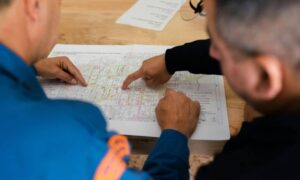
Think of a consulting engineer as your early second opinion.
You already have an idea. Maybe it’s a retail space, an office, or a redevelopment project in Grand Rapids. The engineer looks at that idea and asks one simple question:
“Will this actually work here?”
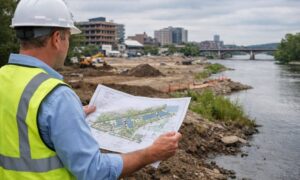
They study the site as it is today. They compare it with what you want to do. Then they flag problems before they turn into expenses.
That’s the value. Not drawings. Not paperwork. Clear answers before you commit money.
Before You Buy or Lease a Commercial Property
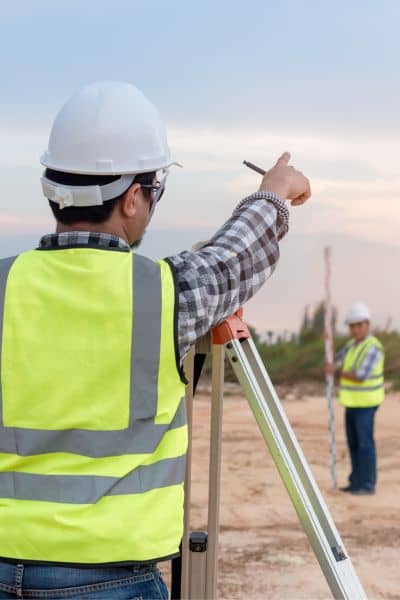
This is usually the best time to take a closer look.
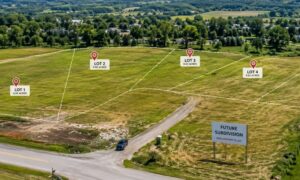
A property can look perfect on paper. The size works. The location feels right. The layout seems clean. Still, small details can limit what you can actually do with it.
Maybe your plan needs more usable space than the site allows. Maybe the layout fits one type of business, but not yours. These are things you don’t always notice during a quick walk-through.
A consulting engineer reviews the site with your plan in mind, so you get a clearer picture before you sign anything. It also helps to understand your property boundaries before you move forward, since that’s often where early assumptions can cause problems.
That step alone can help you avoid buying the wrong property in Grand Rapids.
Before You Finalize Your Business Plan
Many owners design their project first, then check if it fits the site.
That order causes problems.
You might picture a certain layout, a certain building size, or a certain flow of movement. Later, you find out the site doesn’t support it the way you expected.
Now you adjust. That leads to redesign, delays, and extra cost.
Bring in a consulting engineer while your plan is still flexible. Early input on your commercial site can help you shape the project around what actually works.
Before You Hire a Contractor
Contractors build what they are given. If the early information is unclear, their pricing will be too.
That’s when numbers start to move.
You may get one estimate, then a higher one later. Or you agree on a scope that changes once work begins. That creates stress and confusion.
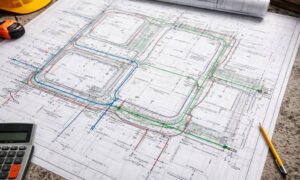
A consulting engineer helps define the project clearly before pricing starts. This is especially important for commercial projects where small changes can affect overall cost.
When You Are Choosing Between Commercial Properties
Two sites can look almost the same at first glance.
Same size. Similar price. Close location in Grand Rapids.
Yet one may be far easier to develop than the other.
Without a technical review, it’s hard to see that difference. You may choose based on price alone and run into issues later.
A consulting engineer compares both sites based on your goals. You don’t just pick what’s available. You pick what makes sense for your project.
When Your Budget Starts to Feel Unclear
If your project budget keeps shifting, something is missing.
That usually means there are unknowns in the early stages.
You might not have a clear idea of what the site requires. Or your plan may not match the conditions on the ground. Either way, the numbers won’t stay steady.
A consulting engineer reduces those unknowns. You get a more realistic cost range early, which helps you plan with more confidence.
What Happens When You Wait Too Long
Waiting doesn’t feel risky at first. You move forward. You make decisions. You sign agreements.
Then something forces a change.
You revise your plan after spending money on it. You adjust your layout after talking to a contractor. You rethink your approach after work has already started.
Those changes cost more than getting answers early.
Most project problems don’t come from construction. They come from early decisions that were never checked.
Why This Matters for Commercial Projects in Grand Rapids
Grand Rapids has a mix of older commercial sites and newer developments. That creates differences from one property to the next.
One site may seem simple. Another may require more planning than expected.
That’s why early review matters. A plan that works in one part of Grand Rapids may not work the same way in another.
A consulting engineer helps you understand those differences before they affect your project.
A Simple Way to Know If You Need a Consulting Engineer
Ask yourself a few questions:
- Are you thinking about buying or leasing a property?
- Are you still shaping your business plan?
- Are you comparing commercial sites?
- Do your project costs feel unclear?
- Are you about to hire a contractor?
If you said yes to even one, it’s time to get input early.
The Real Advantage
Hiring a consulting engineer early doesn’t slow your project down. It helps you make better decisions from the start.
You avoid costly changes. You reduce uncertainty. You move forward with fewer surprises.
For commercial projects in Grand Rapids, that kind of clarity makes a real difference before anything gets built.