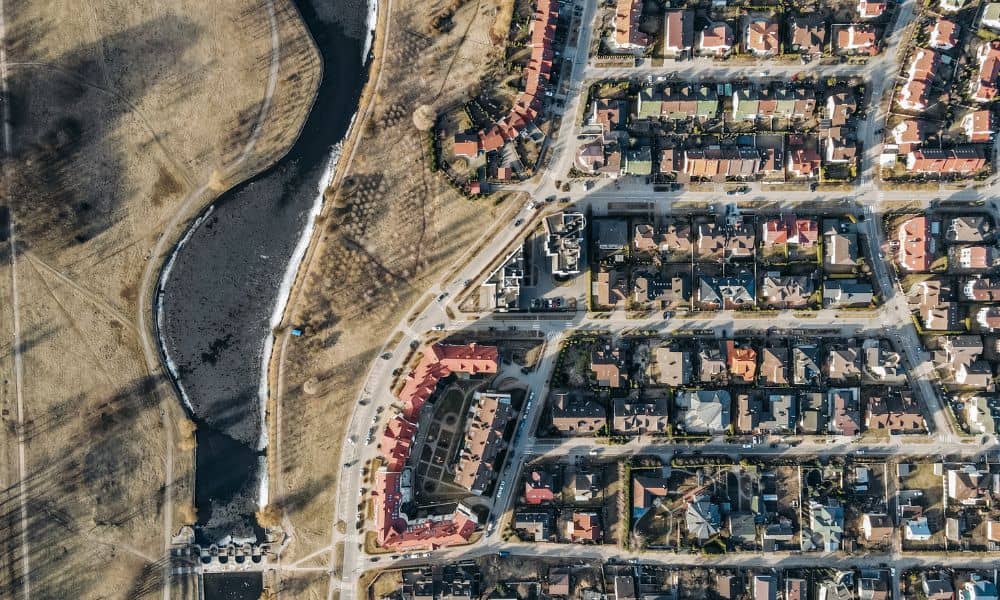
Subdivision planning isn’t just lines on a map. This week in Grand Rapids, it became clear how neighbors can shape the city. A proposed housing project on the west side changed because residents spoke up. This shows why subdivision planning must include people who live near new developments. Developers need to listen to community concerns if they want projects to succeed.
A Big Idea Meets Big Reaction
Earlier this week, a developer wanted to build 43 new townhomes on a wooded lot in west Grand Rapids. The plan would add more housing in a growing area, which sounds good. But when neighbors heard about it, they came to a meeting and shared their opinions loudly.
Residents worried about traffic, how the homes would look, and how the project might change their neighborhood. After hundreds spoke, the developer reduced the plan from 43 townhomes to 32 attached single-family homes.
This change shows the power of community voices. It didn’t come from city planners alone. People who live near the site made sure their concerns were heard. Subdivision planning affects real life, and people will push back if they feel ignored. In situations like this, working with Grand Rapids subdivision experts can make all the difference, helping projects fit both the city rules and the neighborhood’s needs.
Why This Matters for Subdivision Planning
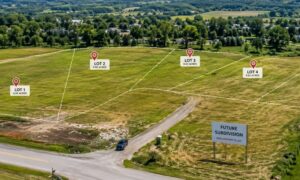
Subdivision planning is the process of dividing land into smaller lots for homes, roads, utilities, and open spaces. Good subdivision planning balances growth, convenience, and quality of life. In Grand Rapids, new plans must follow zoning rules and the city’s long-term goals.
This story shows that community support matters as much as the law. Even if a plan follows all rules, pushback from neighbors can slow it down or force changes. In this case, the developer adjusted the plan before getting final approval. That saved trouble later but still added time and cost.
Developers might think subdivision planning is only about technical things like lot sizes, water lines, and streets. But the human side is just as important. People care about where they live, and they will speak up if they feel left out.
What Neighbors Are Really Worried About
Three main concerns drove the community response:
Traffic and Safety – Residents worried that more homes would mean more cars. They wanted to know if nearby streets could handle it.
Neighborhood Character – Many people moved to this part of Grand Rapids for its quiet, tree-lined streets. A big townhome project felt out of place.
Property Values – Some worried that high-density housing could lower the value of nearby homes. Even if not always true, this is a common fear.
These worries may feel familiar to anyone who has lived near construction. But for developers and planners, they are real factors that must be included in subdivision planning.
How Subdivision Planning Can Include the Community
This event shows that community engagement should happen early. Talking with neighbors before plans are set can prevent problems later.
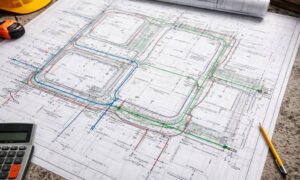
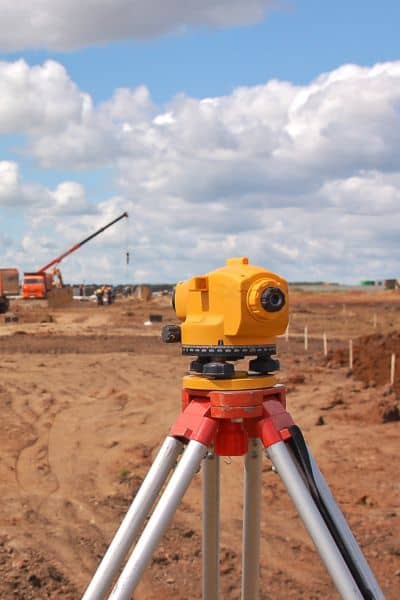
When planning a subdivision, it’s not just about what the homes look like — the layout of streets, lots, and utilities needs to be precise too. That’s why teams often start with accurate land surveying for subdivisions. Having exact measurements upfront makes it easier to show neighbors what the project will look like, plan green spaces, and avoid surprises later.
Talk Before You Build – Invite neighbors to open houses, workshops, or small meetings. Listen to their questions and concerns. This builds trust.
Show Visuals, Not Just Words – People understand better when they see site plans, street views, or sketches. Vague descriptions make them worry.
Be Ready to Adapt – Subdivision planning shouldn’t be rigid. If neighbors have good ideas, adjust features like smaller lots, more green space, or safer streets. Flexibility shows respect.
Connect to City Goals – Sometimes concerns come from bigger trends. Grand Rapids needs more housing, but growth must fit the neighborhood. Explaining how a project fits into the city’s plan helps people understand the bigger picture.
What This Means for Developers and Property Owners
Subdivision planning is now about people as much as parcels. This story is a reminder that success depends on communication.
If you’re planning a subdivision:
- Expect community involvement. Don’t treat meetings as a formality. People can influence your project.
- Build relationships early. Know neighborhood leaders and listen to concerns.
- Educate as you plan. Share information about roads, utilities, and traffic.
- Be willing to compromise. Smaller scale or design changes can satisfy both planners and neighbors.
Conclusion: Listening Makes Better Subdivision Planning
This week shows how community pushback can reshape subdivision planning fast. When neighbors speak up, developers and planners must listen. Subdivision planning is about creating places where people want to live, not just building houses.
Balancing growth with community values makes projects better for everyone. When developers communicate early, listen often, and adjust plans when needed, they build trust and avoid conflict. That’s the future of subdivision planning — one that includes the community, collaboration, and smart design.