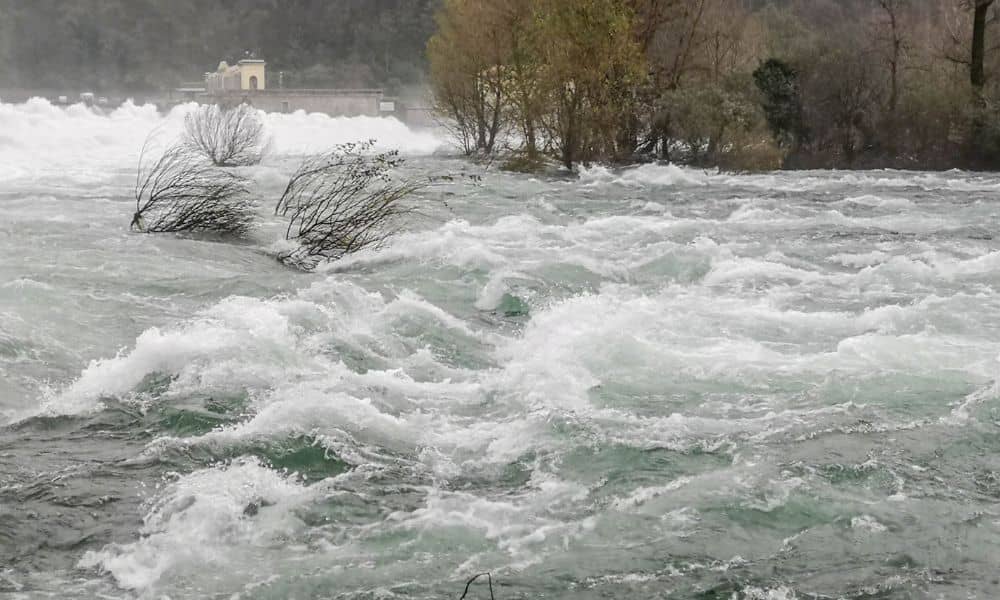
Grand Rapids knows tough winters, but the recent winter flooding surprised almost everyone. Streets overflowed with melting snow, basements filled with water, and some neighborhoods struggled to drain fast enough. These issues pushed the city to take a closer look at drainage design, because the system that moves water off roads and properties no longer fits the weather we see today.
Winter flooding used to be rare. Snow usually melts slowly, the ground softens, and water spreads out over time. This year, warm days came fast while the ground stayed frozen solid. The snow melted all at once, and the water had nowhere to go. It rushed across pavement, pooled in low areas, and clogged drains with slush and ice. Many residents said they had never seen runoff move that quickly.
This sudden change forced civil engineers and city planners to rethink how Grand Rapids handles winter storms. Their decisions will shape the major road and infrastructure upgrades planned for the 2026 construction season.
Why Winter Flooding Hit Grand Rapids So Hard
Several factors came together to create perfect flooding conditions. The frozen ground couldn’t absorb any meltwater. Drains froze or filled with slush, which slowed down flow. Some roads had flat surfaces that held water instead of guiding it downhill. Even newer projects didn’t expect this kind of sudden runoff.
When water can’t soak into the ground, it follows the easiest path. It flowed across driveways, into intersections, and toward low spots that already had small dips. Grand Rapids has many older streets built long before today’s weather patterns, and these roads flooded first. The city saw which areas handled water best and which ones failed.
Winter flooding used to be something the city focused on in spring. Now it is a winter problem too, and the old drainage setup does not keep up.
How Flooding Will Shape the 2026 Construction Season
Grand Rapids already planned a busy 2026 construction season with road repairs, sidewalk upgrades, and new ADA ramps. After this winter, the focus shifted. Streets with drainage problems now rise to the top of the list. Crews will fix pavement, but they will also reshape the way water moves through neighborhoods.
More projects will include deeper gutters, wider curbs, and storm drains that can handle fast snowmelt. Sidewalk work will guide water away from walking paths, and ADA ramps will be shaped so water flows around them instead of across them. These small adjustments help prevent ice buildup and puddles that turn dangerous in winter.
Utility work also fits into this plan. If a street needs sewer or pipe repairs, the city may add drainage improvements at the same time. This reduces extra closures and saves time. Residents may see more work zones next year, but these upgrades will protect homes and make winter driving safer.
What Better Drainage Design Looks Like

Better drainage design uses a mix of methods to manage water. The city will pick solutions based on each neighborhood’s soil, slope, and street layout.
One upgrade includes deeper gutters and stronger storm drains. These changes help move water faster during sudden melt events. Some areas may shift toward permeable pavement, which lets water pass through instead of bouncing off. While this does not work for every road, it reduces runoff in places with heavy snowmelt.
Engineers may also reshape land to improve flow. This includes soft changes like adding grassy swales or adjusting slopes so water moves toward drains instead of back toward homes. These features work well in older neighborhoods where water tends to pool in the same spots.
Some developments will see larger or better-designed detention basins. These basins hold water during storms and release it slowly, which reduces strain on storm drains. Green features like plants and soil systems may also help absorb runoff before it enters the drainage network.
What Residents Should Expect in Their Neighborhoods
Residents should prepare for more construction in flood-prone areas. Streets may close for a few days while workers reshape pavement, replace drains, or improve slopes. Sidewalks may shift to temporary routes. Even though this creates short-term delays, the long-term benefits make the changes worth it.
Better drainage leads to safer roads in winter. Less pooling means fewer icy patches. Sidewalks stay clearer, and intersections stay safer. Homes also face less risk of basement flooding, since water moves away from foundations instead of toward them.
Older neighborhoods will likely see the biggest improvements. Engineers may raise low areas, smooth out dips, and fix broken pavement that traps water. These updates help water flow correctly instead of backing up during snowmelt.
What Builders and Developers Need to Know Now
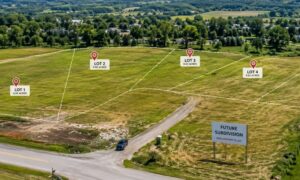
Developers planning projects will face stronger drainage rules. Site plans may need more detail, and city reviewers will look closely at how each project manages water during winter thaws.
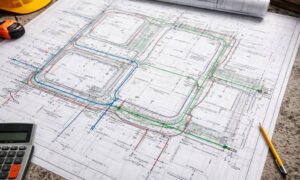
Soil testing may become required for more properties. Some areas saw erosion this winter, and engineers want to confirm how well soil absorbs water. Grading plans must show clear flow paths, not just general slopes. Detention ponds may need to be larger or redesigned, and some properties may need wider swales or updated stormwater maps.
Builders who plan ahead often see smoother approvals, especially when they work with a team that can provide full property development guidance—helping them think through every detail, from drainage and grading to stormwater management, before permits are submitted. With this kind of support, projects stay on track and avoid surprises.
Why Rethinking Drainage Helps Future
This winter showed that old systems no longer match new weather patterns. Rethinking drainage design protects homes, businesses, and roads. It also improves daily life. Roads last longer when water flows correctly. Sidewalks stay safer when meltwater doesn’t freeze into black ice. Cars avoid deep puddles that hide potholes.
These upgrades support stronger neighborhoods and safer travel. The 2026 construction season will focus on smarter design, not just repairs. Grand Rapids is preparing for the future with systems built for sudden weather changes.
Final Thoughts
Grand Rapids’ winter flooding was a warning. The city must improve drainage design to handle fast snowmelt and intense freeze–thaw cycles. With strong planning and smart engineering, Grand Rapids can reduce future flooding and build safer streets for everyone. The changes coming will help the city stay ahead of the weather and create a stronger, more resilient community.