When a project breaks ground in your own city, it always gets people talking. That’s exactly what happened with the recent expansion at Holy Spirit Parish in Grand Rapids. The project adds new classrooms, updates existing areas, and connects the Child Development Center to the main school building. While most people see “new construction,” civil engineers see something deeper: the power of a strong site plan.
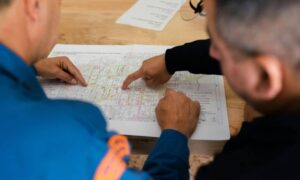
A site plan is more than a drawing. It decides how safe the property feels, how well traffic moves, how the land drains, and how much the entire development will cost. With school projects, these details matter even more because families, teachers, and young children use the space every day. That’s why this new Grand Rapids project is such an eye-opener. It shows how a smart site plan can make or break a school expansion.
A Local Project That Shows Why Site Planning Matters
Holy Spirit Parish’s expansion is a big deal for the neighborhood. The project adds three new classrooms and links two buildings into one connected space. It’s exciting for parents and students, and it also shows how site planning shapes the future of a property.
Schools deal with high foot traffic, tight schedules, and strict safety rules. Construction doesn’t happen in an empty field. Kids still arrive, buses still line up, and parents still drop off their children every morning. Because of this, the site plan becomes the foundation of the entire project. It guides everything from grading to parking to stormwater controls.
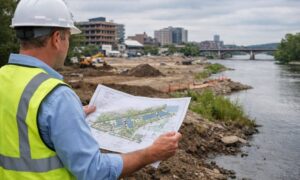
While contractors and architects shape the vision, civil engineers lay out how the land should work. In a community like Grand Rapids—where weather, soil, and zoning laws vary block by block—this stage can’t be rushed.
Why the Site Plan Drives School Projects
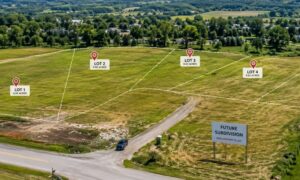
You can’t build a school expansion without knowing how the land behaves. The site plan answers questions that clients may not think about at first but always care about in the end. That’s why the Holy Spirit Parish project highlights so many smart decisions.
Traffic Flow and Safe Access Matter for Schools
Schools attract cars, buses, and service vehicles every hour. Parents want a smooth drop-off line. Teachers need safe walkways. Emergency vehicles must reach every part of the campus quickly. When buildings shift or roads change, old routes no longer work.
A strong site plan solves these issues. It shows where cars should move, where people should walk, and where congestion might happen. Even a small layout mistake can slow down an entire school day. That’s why civil engineers think about turning paths, parking counts, loading zones, and ADA-friendly routes early. The Holy Spirit Parish expansion will change how people move across the grounds, and the project works because the team built traffic and safety into the plan long before construction began.
Stormwater and Grading Keep the Campus Safe

Rain and snow are part of life in West Michigan. If runoff pools near walkways or flows toward the new addition, the school faces slippery sidewalks, damaged pavement, and costly repairs.
Good grading and stormwater design prevent this. Civil engineers shape the land so water runs where it should. They study soil conditions, slopes, and drainage paths, and they also make sure the site meets Grand Rapids stormwater rules. This matters even more when linking older buildings to new ones because a school expansion can redirect water in ways the original designers never expected.
Utility Routes and Building Links Need Care
Connecting two school buildings is not as simple as pouring concrete. Underground utilities must be moved, upsized, or protected. Water lines may need more capacity. Sewer lines may run under the construction footprint. Electrical conduits may conflict with new foundations.
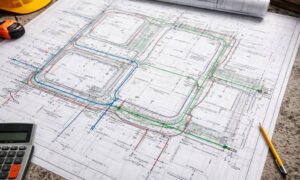
A site plan maps these details to avoid clashes that slow down the project and drive up costs. One missing line on a plan can trigger days of delay in the field.
ADA Access Must Be Built Into the Layout
Schools must follow strict ADA rules. Slopes, ramps, sidewalks, and entrances all need to work for everyone. When the site layout changes, the accessible routes must change too. A thoughtful site plan ensures students, teachers, and parents with mobility needs can reach the new addition without barriers.
Construction Planning Protects School Operations
School projects often happen while classes continue. The site plan guides where fences go, where equipment can be stored, and how crews move around the property without crossing student paths. Parents want safety, teachers want calm, and school boards want a smooth timeline. With a good site plan, all three feel confident.
Lessons for Developers and Institutions in Grand Rapids
Watching this project unfold gives local developers, church groups, and school boards a clear lesson: the site plan shapes the entire project experience.
Many clients see the land and think, “We know what we want to build.” But they don’t always see the hidden challenges—soil conditions, stormwater limits, utility depth, or vehicle flow. When these factors appear late in the process, budgets explode.
The Holy Spirit Parish project shows the opposite. You can stay ahead of surprises when the site plan is built early and built well.
This project teaches simple but powerful lessons: get civil engineers involved from day one, respect how the land works, think long-term, understand local rules, and make safety part of the layout from the start. These steps save money, time, and stress.
Why This News Story Is a Wake-Up Call for Civil Engineering Firms
The expansion shows a rising need for engineering services in West Michigan, especially for schools, childcare centers, churches, and other high-use properties. These groups often own land but need help understanding it.
Civil engineering firms that highlight “site plan first” as a service can stand out right away. Instead of selling long lists of technical tasks, they can focus on one clear message: we help you avoid expensive mistakes before construction begins.
That message hits hard because it solves the problem clients fear most—surprise costs and messy delays.
Final Thoughts:
The Holy Spirit Parish expansion is more than another construction update. It’s a reminder to every property owner and developer. When you treat the site plan as the heart of the project, everything works better—traffic, drainage, utilities, safety, and long-term growth.
With the right civil engineer guiding that process, your project starts strong, stays on track, and avoids the problems that cost the most.
If you’re planning a campus change or new development, this is the moment to take your site plan seriously. It’s the smartest investment you can make before breaking ground.