

Every winter in Michigan, it happens again. A major bridge closes with little notice. News reports mention “falling ice.” Traffic slows. Drivers feel frustrated. Many people ask the same question: Why close a bridge if it is not broken? The answer comes down to structural engineering. These closures are not random. They are not overreactions. Instead, they are careful choices made to keep people safe before accidents happen.
When you understand why winter bridge closures occur, you also understand how structural engineering works in the real world—not just on paper.
Why Falling Ice Is a Serious Safety Risk
During winter, bridges face harsh conditions. Snow melts during warmer hours. At night, temperatures drop fast. Water freezes again on steel beams, cables, and joints. Over time, thick ice builds up in hidden places.
Sooner or later, that ice falls.
When ice drops from a bridge, it falls from a great height. Even a small chunk can cause damage. Larger pieces can crack windshields, dent vehicles, or seriously injure people below.
Because of this, falling ice is not treated as a small issue. Structural engineers see it as a real safety threat that needs action.
Structural Engineering Is About Safety Decisions
Many people believe bridges only close when they are unsafe or damaged. In reality, most winter closures happen even when the bridge structure is still strong.
Structural engineering is not just about strength. It is also about risk.
Engineers do not only ask, Can this bridge hold traffic? They also ask, Could something harm people today?
That difference matters.
A bridge may be strong enough to carry cars and trucks. However, ice forming on overhead parts can still create danger. Engineers look at how a structure reacts to weather, not just weight. They study wind, temperature changes, water flow, and how ice forms and breaks loose.
When conditions become risky, engineers recommend closures to protect the public.
How Engineers Decide When to Close a Bridge
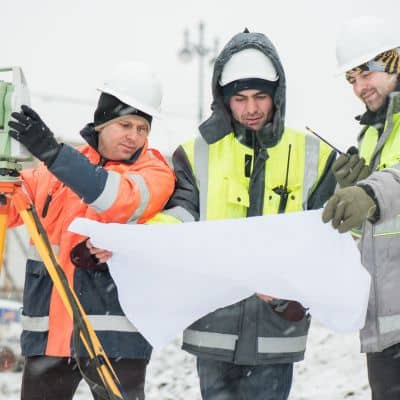
Winter bridge closures follow a clear process. Structural engineers review several factors at the same time.
First, they look at weather patterns. Fast temperature changes increase ice buildup and ice release. Next, they study the bridge shape. Some designs allow ice to collect more easily, especially on trusses, cables, and overhead steel.
Then, engineers consider traffic and pedestrian use. A falling hazard over busy lanes or sidewalks creates higher risk. Finally, they think about timing. Closing a bridge early can prevent emergency situations later.
Because of this process, closures often happen before any visible damage appears.
Why These Closures Help the Structure Too
Closing a bridge because of falling ice does more than protect drivers. It also protects the bridge itself.
When ice breaks loose suddenly, it can damage coatings, joints, and drainage systems. Over time, this damage leads to higher repair costs and shorter service life.
By acting early, structural engineering teams reduce both safety risks and long-term damage. This proactive approach helps keep bridges open and reliable for years to come.
What This Means for Property Owners and Developers
Bridge closures may seem far removed from private property. However, the same risks exist in many places people own and manage.
Parking garages, elevated walkways, loading docks, and building overhangs face similar winter conditions. Ice can form where water collects and temperatures change quickly. When ice falls near entrances or walkways, liability becomes a serious concern.
Structural engineering reviews help identify these risks before winter begins. Engineers look at drainage paths, surface slopes, and exposure areas. Then they suggest design changes or safety plans to reduce danger.
For property owners, this approach helps prevent injuries, lawsuits, and unexpected closures.
Michigan Winters Require Extra Planning
Michigan’s climate creates ideal conditions for ice problems. Freeze–thaw cycles happen often. Snow melts and refreezes many times each season. Strong winds push moisture into hard-to-see areas.
Because of this, structural engineering decisions require local experience. Engineers understand how regional weather affects structures differently than in warmer states.
Planning ahead matters. Waiting until ice falls often leads to emergency actions. Early planning allows safer and more controlled solutions.
When Structural Engineering Review Is Needed
Some situations clearly signal the need for a professional review.
If a structure closes repeatedly during winter, that pattern deserves attention. If ice forms near doors, sidewalks, or traffic areas, the risk increases. New developments with exposed structural elements also benefit from early evaluation.
Structural engineering provides guidance before problems grow. Engineers document risks, suggest solutions, and support safe winter operations.
What Winter Closures Really Show
Winter bridge closures often frustrate the public. Still, they show structural engineering at work in its most important role—protecting people.
These decisions balance safety, access, and long-term performance. They rely on data, experience, and understanding how structures interact with the environment.
When a bridge closes because of falling ice, it means engineers chose prevention over reaction. That choice protects lives, reduces damage, and helps maintain trust in the infrastructure we use every day.
In Michigan winters, that kind of foresight matters more than most people realize.
