

If you work in land development or city planning, you already know how tricky water can be in Michigan. Snow piles up, the ground freezes, then everything melts fast. Because of this, detention pond design becomes one of the most important parts of any project. When it’s done right, neighborhoods stay dry, roads last longer, and stormwater moves safely through the system. When it’s done wrong, problems show up fast—ponding in the streets, flooded yards, and overloaded storm pipes.
Why Detention Ponds Matter in Places Like Grand Rapids
Michigan winters create conditions that don’t exist in warmer states. Once the ground freezes, it can’t absorb water. That means any rainfall or snowmelt runs straight across the surface until it reaches a storm drain or a low point. During early spring, the top layer of frost can trap even more water, which sends large bursts of runoff toward nearby streets, culverts, and streams.
Grand Rapids and East Grand Rapids deal with this every year. Their mill-and-overlay street programs often uncover hidden drainage issues—cracked storm pipes, clogged inlets, or bad grading. These small problems can turn into big ones when extra runoff arrives during a thaw.
A detention pond helps control all of that. It slows down the flow, stores water during storms, and releases it at a safe rate. When designed well, it protects roads, homes, and local waterways.
Step 1: Start With Soil Testing and a Good Look at the Site
The first step is understanding the ground you’re working with. In West Michigan, many sites have clay soils that hardly soak up water. Soil testing confirms if the ground drains well or if it needs special design features. This matters because a detention pond built on clay behaves differently than one built on sandy soil.
Walking the site also helps you find drainage paths, low spots, steep slopes, and areas where water already collects. Many engineers look at how nearby roads were built too. Sometimes, street rehabilitation changes how water flows, and the pond must adapt.
Good detention pond design always begins with understanding the land itself.
Step 2: Estimate How Much Water the Pond Needs to Hold
Once the engineer knows the soil and layout, the next step is calculating runoff. In Michigan, runoff increases during winter because frozen ground acts like pavement. Even small storms send a surprising amount of water toward storm drains and culverts.
To size the pond, engineers study storms like the 10-year or 25-year event and look at how much water will reach the pond during peak flow. They also think about snowmelt. A warm March day can release huge amounts of water in just a few hours. A well-designed pond must handle all of that without flooding nearby areas.
This is where local experience matters. Engineers who understand how much water a site produces during freeze–thaw seasons, which helps them size the pond accurately.
Step 3: Shape the Pond and Plan Its Layout
Now it’s time to design the actual basin. A good layout is more than just a hole in the ground. It guides water safely and keeps the pond stable year after year.
Most ponds use gentle side slopes to prevent erosion, especially in spring. A forebay—a small pool near the inlet—helps trap sand and grit from winter road work. Snow plows leave a lot of material behind, and a forebay keeps it from filling the main basin.
Engineers also think about how nearby streets drain. A mill-and-overlay project might change the height of curbs or pavement, which shifts runoff toward the pond. A proper layout makes sure the pond receives this flow in a controlled way.
Step 4: Design an Outlet That Works in Freezing Weather
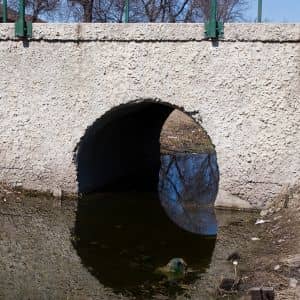
The outlet is the heart of a detention pond. It decides how fast the water leaves. In a freeze–thaw climate, this part needs extra care.
Ice, debris, and sudden temperature swings can clog small openings. Because of that, engineers pick materials that hold up well in winter and avoid designs that freeze shut. They may add screens that resist ice buildup or place openings below the frost line. The outlet must release water slowly, even when conditions change day by day.
If the outlet fails, the whole pond fails. That’s why winter performance is always a top priority.
Step 5: Connect the Pond to the Local Stormwater System
Grand Rapids has strict stormwater rules, and every site must work with the city’s system. A detention pond can’t release water faster than the pipes downstream can handle. Engineers study nearby storm leads, culverts, and existing ponds to make sure everything fits together.
This step often ties back to road work. When East Grand Rapids rebuilds streets, they sometimes replace old drainage pipes. A new detention pond must match these upgrades so that the whole system works smoothly during storms.
Step 6: Plan for Long-Term Care, Especially After Winter
Even the best detention pond needs maintenance. Snow piles, salt, sand, and early-thaw runoff wear down the pond faster than most people expect.
After winter, engineers recommend checking for:
- Erosion along the slopes
- Debris around the outlet
- Sediment buildup in the forebay
- Damaged vegetation
Strong vegetation helps the pond stay stable. But it has to be the right type—plants that survive cold winters and keep their roots strong even when the ground freezes.
What We’ve Learned From Local Street Projects
East Grand Rapids’ mill-and-overlay work has shown how fragile some drainage systems are. When pavement gets milled, crews often find crushed storm pipes, clogged connections, or old drainage routes that no longer work. These problems get worse during freeze–thaw seasons.
A well-designed detention pond solves many of these challenges. It slows down runoff during storms, protects newly paved streets, prevents ponding at intersections, and reduces complaints from homeowners. It also helps cities meet stormwater rules and lower long-term repair costs.
When detention ponds support roadway and neighborhood design, everything works better together.
Final Thoughts:
In a place like Grand Rapids, water is always looking for the fastest way downhill. If a project doesn’t control runoff, the results show up quickly—standing water, cracked pavement, flooding, and unhappy residents. But with a strong detention pond design, you stay ahead of these problems.
A well-planned pond works through all four seasons. It handles winter, spring thaw, summer storms, and fall rain. It protects roads, homes, and property. And it gives developers and cities peace of mind because they know the site will perform for years.
If you’re planning a land development project or updating drainage on an existing site, now is the best time to take detention pond design seriously. And if your project needs a broader plan for grading, drainage, or layout, the right site design solutions can pull everything together so the whole site works as it should. It’s one of the smartest investments you can make in a climate like this.
